

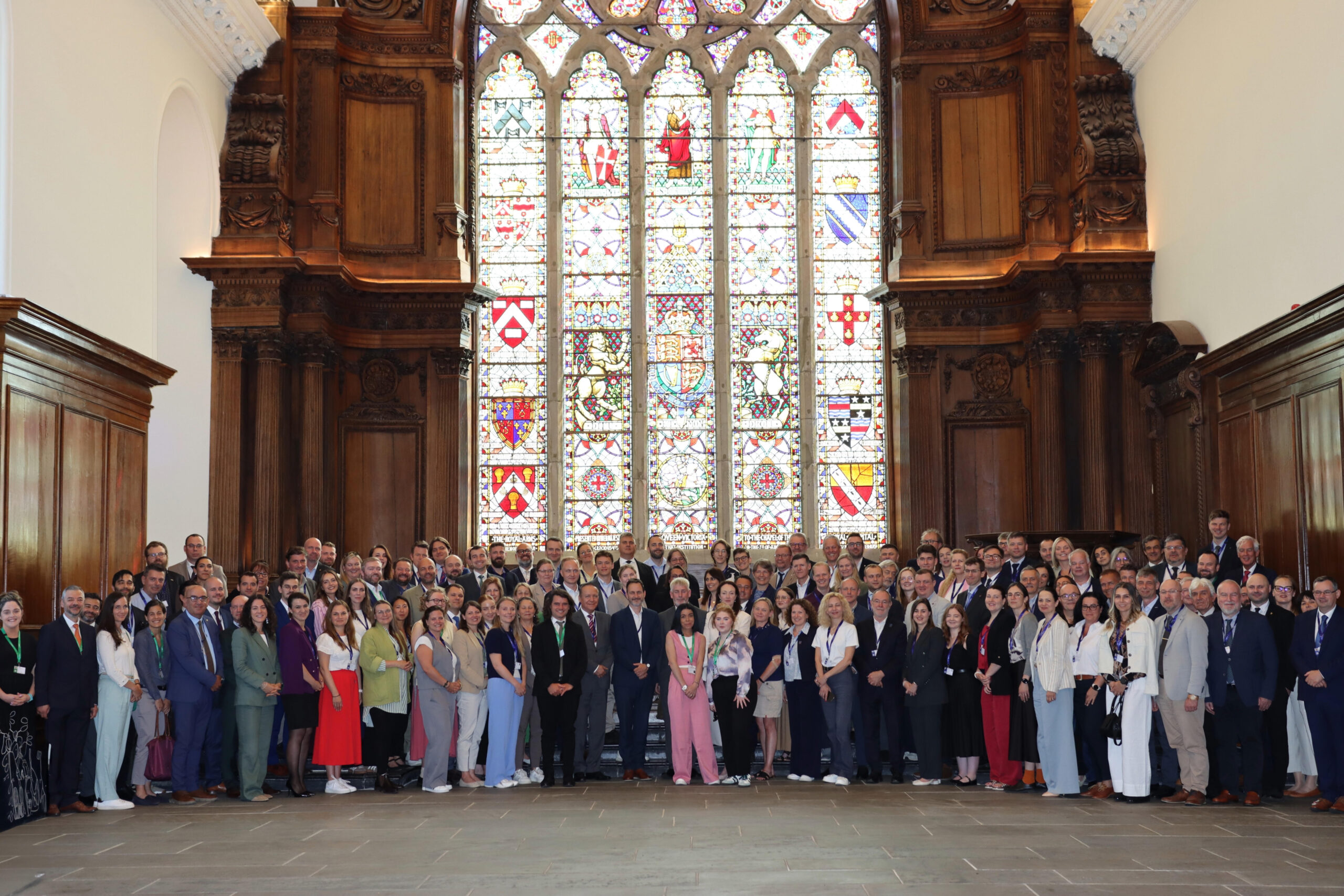
Dublin, 14–15 July 2026 – PARATUS was strongly represented at the Irish Presidency of the Council of the European Union workshop on cascading risks and the protection of critical infrastructure from extreme events, held in Dublin on 14–15 July 2026. The event brought together representatives of EU Member States, civil protection authorities, critical infrastructure experts and researchers to discuss how Europe can strengthen its preparedness for increasingly complex and interconnected risks.
Organised by Ireland’s Department of Housing, Local Government and Heritage, the workshop focused particularly on the cascading effects of severe weather on critical infrastructure, including energy, telecommunications and water services. Discussions highlighted the need for stronger cross-sectoral cooperation and whole-of-government and whole-of-society approaches, as well as the potential contribution of science, innovative technologies and artificial intelligence throughout the disaster risk management cycle. A central objective was to exchange experiences and good practices between researchers, practitioners and national authorities involved in civil protection and critical entities resilience.
Several PARATUS partners were invited to contribute as speakers, including representatives from the University of Vienna (UNIVIE) and the University of Twente (UT). This provided an important opportunity to share lessons from PARATUS on multi-hazard, compound, cascading and systemic risks with European policymakers and practitioners.
On the first day, a PARATUS systemic risk exercise formed one of the workshop breakout sessions. Participants worked in groups to analyse how an initial extreme event can propagate through interconnected infrastructure and societal systems, producing cascading consequences that may extend far beyond the original hazard. The groups explored scenarios based on recent and potential European crises, including Storm Éowyn in Ireland in January 2025, the 2025 Iberian power outage, the compounding effects of major European forest fires, and a scenario involving a major winter storm in Northern Europe. The exercise encouraged participants to identify dependencies between critical services, possible amplification mechanisms and intervention points where preparedness and coordinated action could prevent cascading failures.

The participation of PARATUS demonstrated the practical relevance of the project’s work for the emerging European resilience agenda. By bringing systemic risk concepts into an interactive setting with civil protection and critical infrastructure professionals, the workshop provided an excellent opportunity to translate PARATUS research into approaches that can support more integrated preparedness and resilience planning across Europe.


